Verification Turns Equivalency from Claim to Confidence
In spec-driven environments (military, industrial automation, infrastructure, and critical process control), the term “Belden equivalent” isn’t casual shorthand. It represents a performance class: a cable expected to deliver predictable electrical stability, mechanical durability, flame resistance, and environmental resilience under the same demanding conditions as established benchmarks. Engineers and procurement teams know this level of performance isn’t assumed from similar construction or materials lists. It must be demonstrated.
Catalog cables often fall short here. General descriptions may match basic parameters (AWG, shielding type, jacket material), but without application-specific validation, performance under real loads (thermal cycling, flex fatigue, EMI exposure, or chemical exposure) can diverge significantly. Electrical characteristics like attenuation, impedance consistency, and crosstalk stability; physical properties like tensile strength and abrasion resistance; environmental behaviors per relevant standards (e.g., UL flame tests, RoHS compliance, or industry-specific protocols) – these are not guaranteed by appearance or generic data sheets alone.
True Belden equivalent performance requires disciplined engineering and verification at every stage.
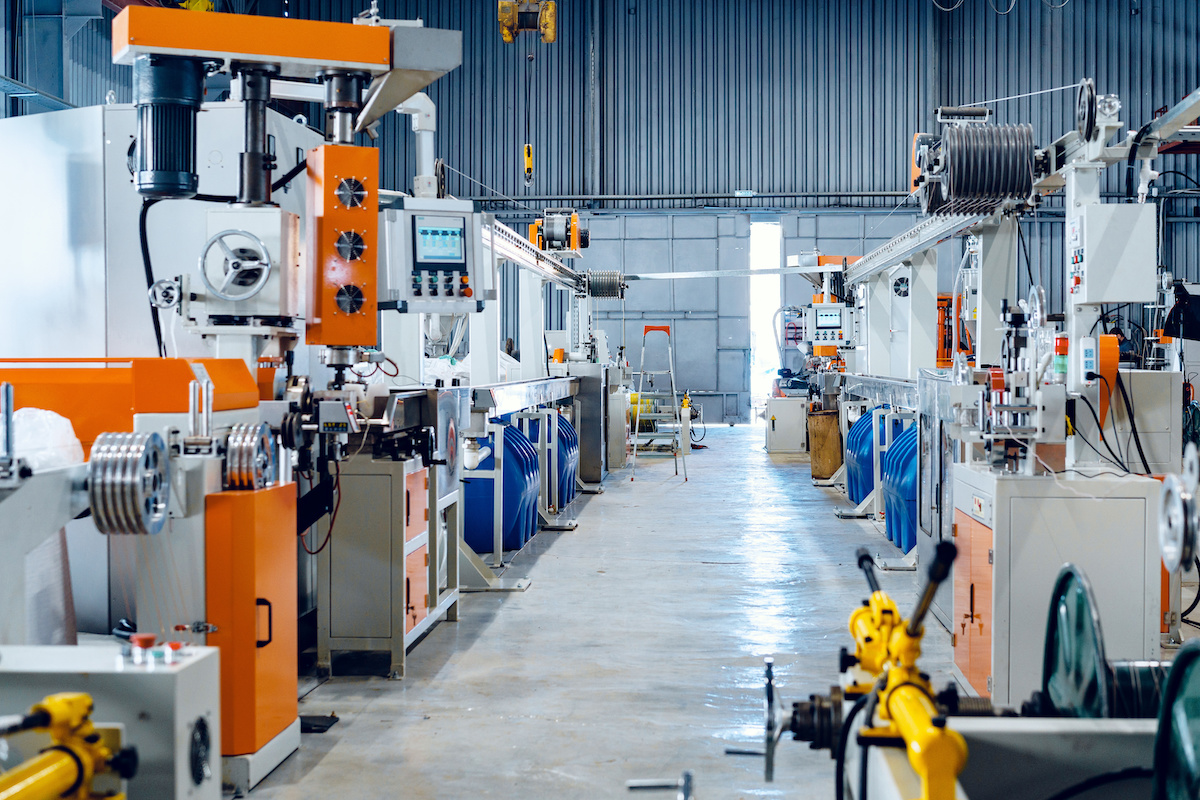
Materials are sourced exclusively from qualified suppliers with lot traceability. Conductors, insulators, shields, and jackets undergo incoming inspection against tight tolerances. Manufacturing employs statistical process control (SPC) to monitor critical variables: extrusion temperatures, twist lay lengths, shield coverage percentages, and concentricity. Deviations trigger immediate corrective action to maintain consistency across production runs.
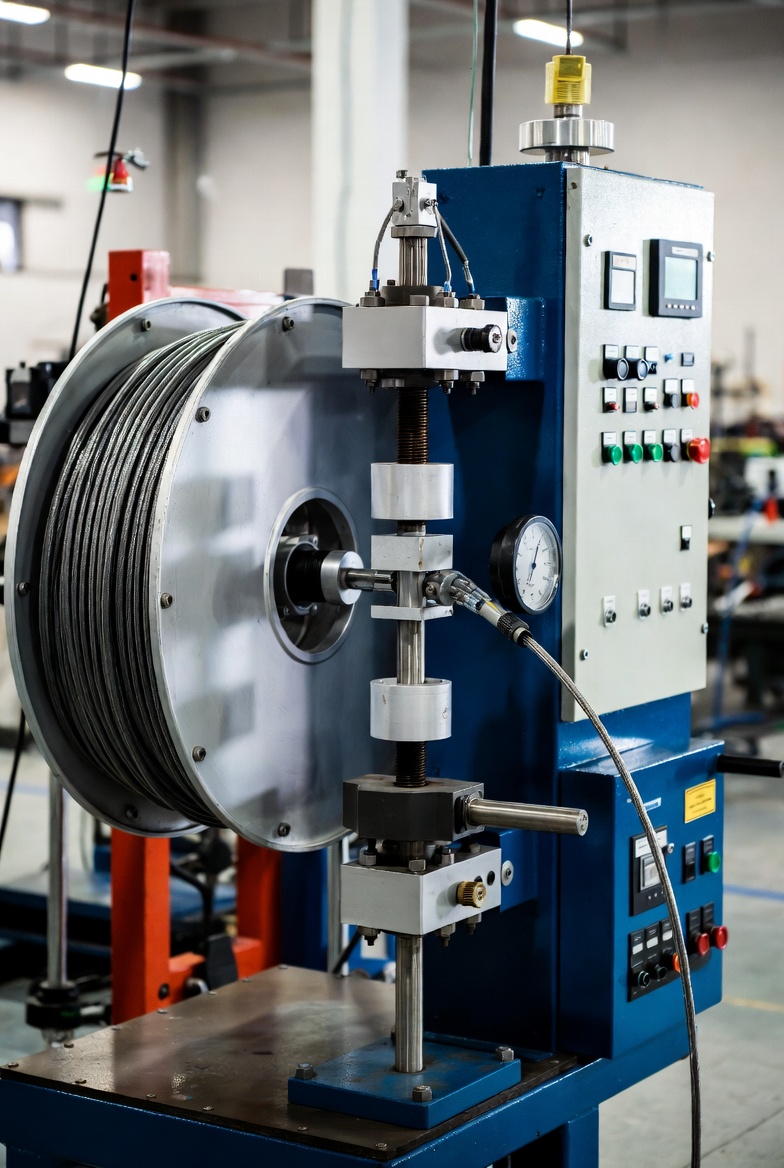
Performance is confirmed through layered testing protocols:
- Electrical: Continuity, capacitance, impedance, attenuation, and crosstalk measured across frequency ranges relevant to the application.
- Mechanical: Bend radius cycling, tensile pull, crush resistance, and impact testing to simulate field installation and long-term use.
- Environmental: Temperature/humidity cycling, fluid immersion, UV exposure, and flame propagation/retardance per standards like VW-1, FT4, or LSZH requirements.
- Flame and smoke: Independent lab verification for low-smoke zero-halogen or plenum-rated behaviors where specified.
Full documentation supports every claim: test reports, material certificates, process control charts, and batch traceability records. When audits, field failures, or specification changes occur, engineers can retrieve defensible proof that the cable performs repeatably to the required class.
At General Wire Products, Belden equivalent cable solutions are engineered precisely for this reality. We start with the performance requirements (electrical, mechanical, environmental) and design to exceed them where catalog options reach their limits. Custom configurations address unique needs (e.g., enhanced shielding for high-EMI zones or specialized jacketing for extreme temperatures) while maintaining full compliance and traceability.
This isn’t about matching a part number. It’s about delivering peer-class performance that withstands scrutiny in qualification, deployment, and long-term operation. Belden equivalent performance is proven through engineering rigor, controlled execution, and documented verification – not assumed from similarity.
Engineers specifying for mission-critical systems understand the difference. When the application demands certainty beyond catalog limits, the path forward is clear: demand proof of equivalency.
Ready to review validation data for your next spec-driven project? Contact our engineering team for documentation packages or application-specific recommendations.
Belden® is a registered trademark of Belden Inc. General Wire Products is not affiliated with, endorsed by, or sponsored by Belden Inc. All references to Belden part numbers or specifications are for cross-reference and performance comparison purposes only.