Plenum vs Riser Cable: Engineering and Code Differences That Matter
Cable selection in commercial and industrial buildings is heavily influenced by fire safety regulations and building codes. Two of the most common classifications used in these environments are plenum cable (CMP) and riser cable (CMR). While both types serve similar electrical and communication functions, they are designed for very different installation environments.
Understanding the engineering and safety differences between plenum and riser cables helps system designers, contractors, and engineers make compliant decisions when specifying cable for a building infrastructure.
What Is Plenum Cable?
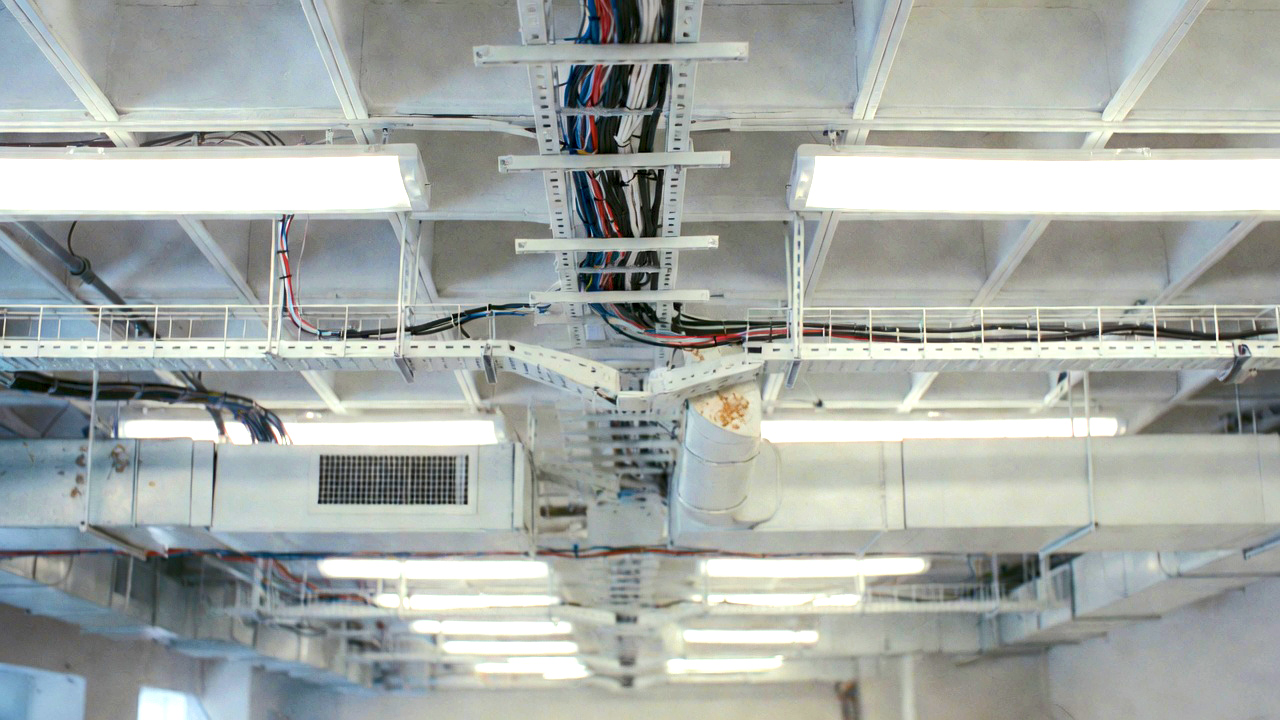
Plenum cable is designed for installation in plenum spaces, which are areas used for environmental air circulation within a building. These spaces commonly include:
Drop ceilings used for HVAC air return
Raised floors in data centers
Air handling cavities in commercial buildings
Because these areas circulate air throughout occupied spaces, fire safety standards for plenum environments are extremely strict.
Plenum-rated cables must pass the NFPA 262 / UL-910 Steiner Tunnel test, which evaluates flame spread and smoke production under controlled fire conditions. To meet these requirements, plenum cables typically use specialized insulation systems such as fluoropolymers, which produce significantly less smoke and resist flame propagation.
Low smoke generation is critical because smoke inhalation is often the most dangerous aspect of building fires.
What Is Riser Cable?
Riser cable is intended for vertical runs between floors, commonly installed in riser shafts or wall cavities connecting multiple levels of a building.
These cables must pass the UL-1666 vertical flame test, which evaluates a cable’s ability to resist flame spread along a vertical pathway.
While riser cables provide flame resistance, they are not designed to meet the same smoke emission limitations required for plenum environments. Riser constructions typically use PVC insulation and jacketing systems, making them more economical but less suitable for air handling spaces.
Can Plenum Cable Replace Riser Cable?
Building codes typically allow plenum-rated cable to be used anywhere riser cable is permitted.
However, the opposite is not true.
Riser cable cannot be installed in plenum spaces because it does not meet the smoke generation requirements of NFPA 262. For organizations seeking simplified inventory or installation flexibility, using plenum cable throughout a facility can sometimes be a practical option.
Engineering Considerations Beyond Fire Ratings
While fire safety classifications are the primary differentiator between plenum and riser cables, engineers must also evaluate several additional performance factors when selecting cable.
These include:
Temperature rating requirements
Voltage ratings
Outer diameter and installation constraints
Environmental exposure
Signal integrity for communication systems
Plenum constructions can support voltage ratings from 150 volts up to 1000 volts, and temperature ratings may range from 75°C to 200°C depending on the insulation materials used.
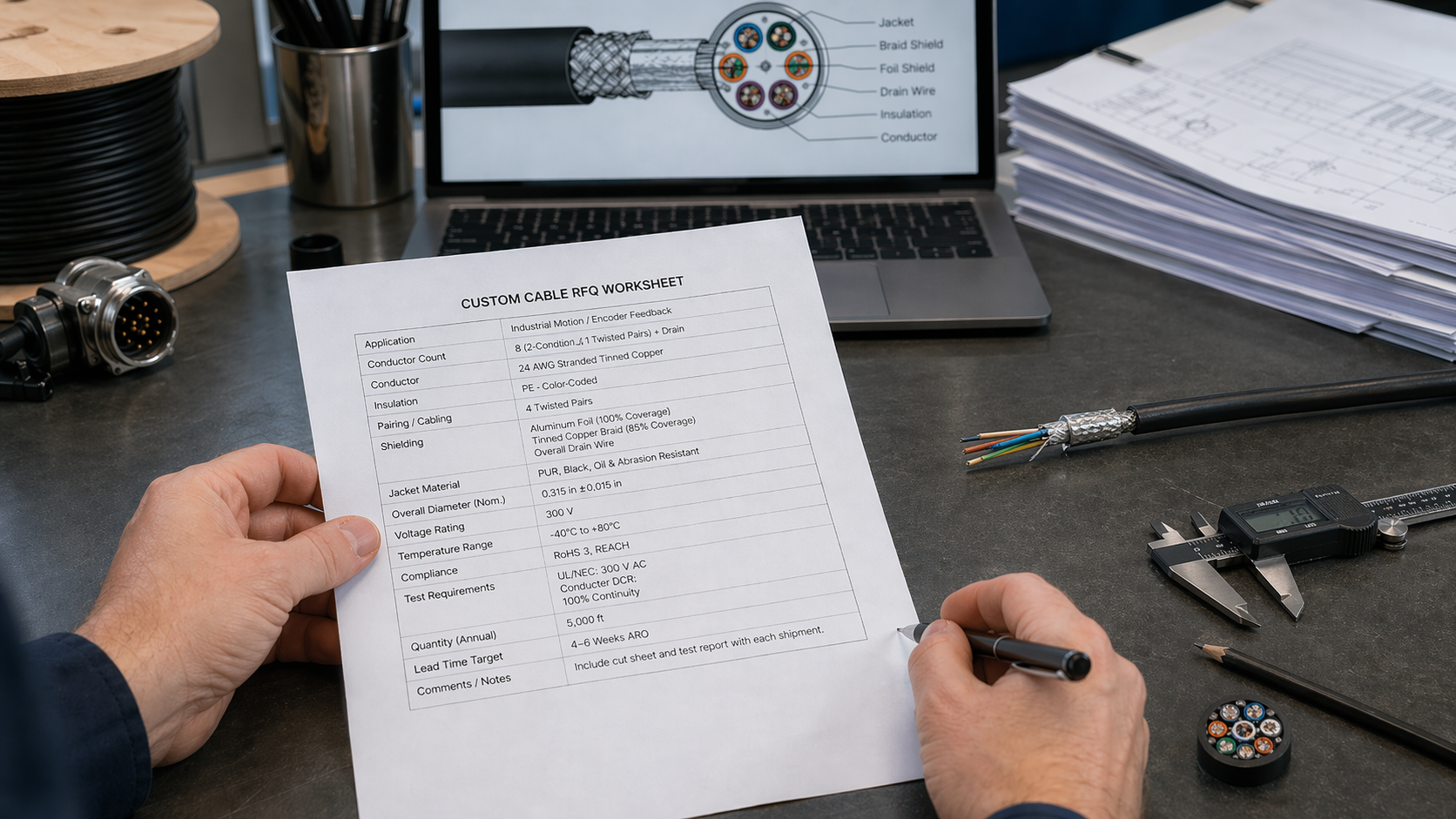
In many specialized environments, these factors influence whether a standard construction is sufficient or if a custom cable design is required.
Application-Driven Cable Design
At General Wire Products, cable solutions are developed based on the specific application requirements rather than relying solely on standard constructions. Engineers evaluate environmental conditions, electrical performance requirements, regulatory compliance, and installation constraints before finalizing materials and cable design.
This approach ensures that the cable not only meets fire safety classifications such as CMP or CMR but also performs reliably in the real-world conditions it will encounter.
Final Thoughts
Plenum and riser cables may appear similar at first glance, but their design standards address very different safety concerns. Selecting the correct cable type is essential for meeting building codes, protecting building occupants, and ensuring long-term system reliability.
A clear understanding of these classifications allows engineers and installers to make informed decisions about materials, performance expectations, and installation environments.